Covering the machine isn’t the goal. Protecting people is.
Most sites have physical guards around their machines. But guarding isn’t about covering the machine — it’s about protecting people from the hazard. Effective guarding and interlocking help prevent exposure to dangerous machine movement and energy.
A barrier isn’t the same thing as a safeguard.
An injury at the point of operation doesn’t happen because a guard was missing. It happens because the guard didn’t stop the machine — or because it was opened, bypassed, or never matched to the hazard in the first place.
Guards without interlocks
A barrier that doesn’t stop the machine when it’s opened only looks like protection.
No risk assessment per machine
Guarding chosen by habit, not by the hazard — the wrong device for the actual risk.
Bypassed under pressure
When a guard slows production, it gets propped open — and stays that way.
A machine can be perfectly productive and still be dangerously accessible.
A guard may prevent access. An interlock may prevent operation. But the real question is:
Does the safeguarding system reliably prevent people from being exposed to the hazard?
1,231 deaths in India, 2014–2023
“Machinery moved by mechanical power” was the single largest specifically identified machinery-related cause of fatal injuries in the DGFASLI (Directorate General Factory Advice Service & Labour Institutes) 2014–2023 dataset.
18,000 injuries, 800+ deaths every year in the U.S.
OSHA’s machine-guarding guidance reports approximately 18,000 work-related injuries and more than 800 deaths each year associated with workers operating and maintaining machinery.
One program, from risk assessment to validation.
We don’t just install barriers. BRIGS assesses, designs, installs and tests the guarding and interlocking for every machine on your floor.
Machine risk assessment
Every machine assessed for hazards, access points and cycle times, per ISO 12100.
Guard & interlock design
The guard type and interlock category matched to the actual risk, per ISO 13849 and IEC 62061.
Safety circuit verification
Safety relays and PLCs verified to the performance level the risk assessment calls for.
Fabrication & installation
Guards, interlock switches and light curtains installed to the design — not approximated on-site.
Functional testing
Every interlock tested before handover. Nothing is assumed to work — it’s proven to.
Documentation & audit
Risk assessments, test records and inspection schedules kept current, not filed and forgotten.
Five outcomes, not just five steps.
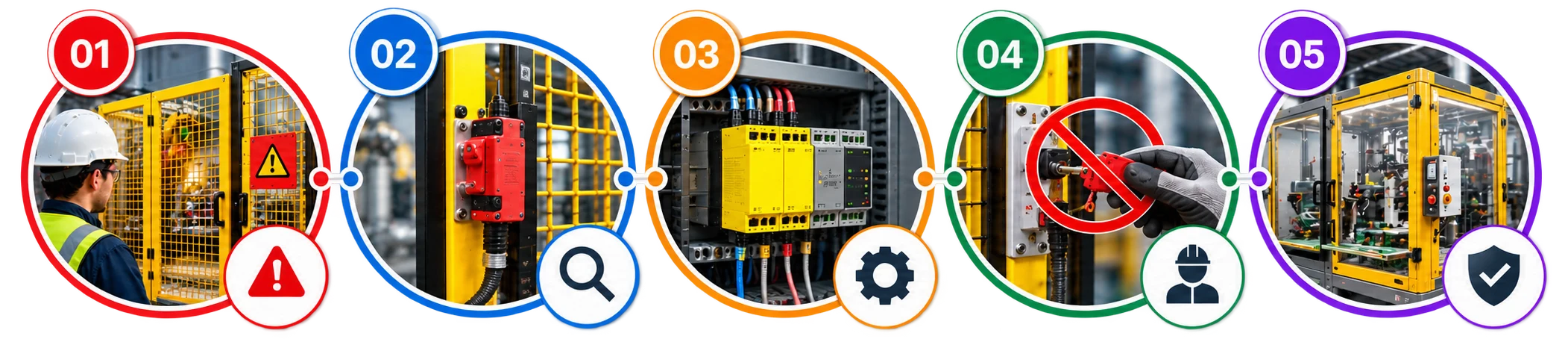
1. Understand Hazards
Identify where people can be exposed during operation, cleaning, setup and maintenance.
2. Evaluate Safeguarding
Ensure guards and safeguards actually control access to the hazard.
3. Strengthen Interlocking
Integrate safety devices appropriately with machine operation.
4. Real Behaviour
Account for access, bypassing, maintenance and foreseeable use.
5. Safer Machines
Build safety into the machine, not just around it.
Guarding that’s engineered, not improvised.
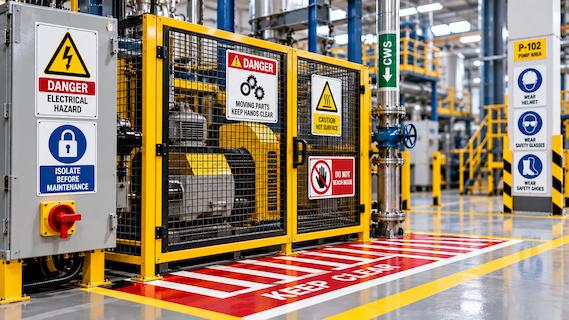
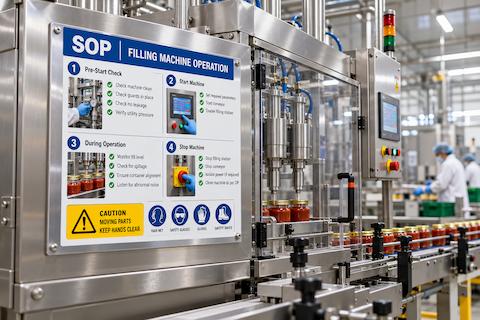
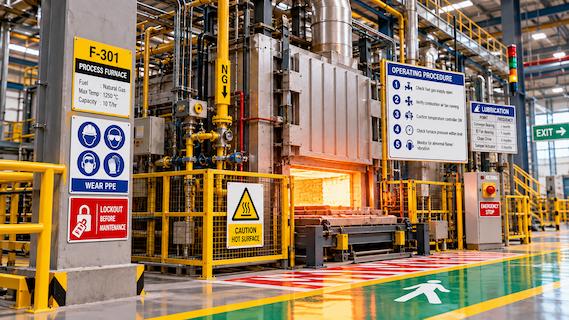
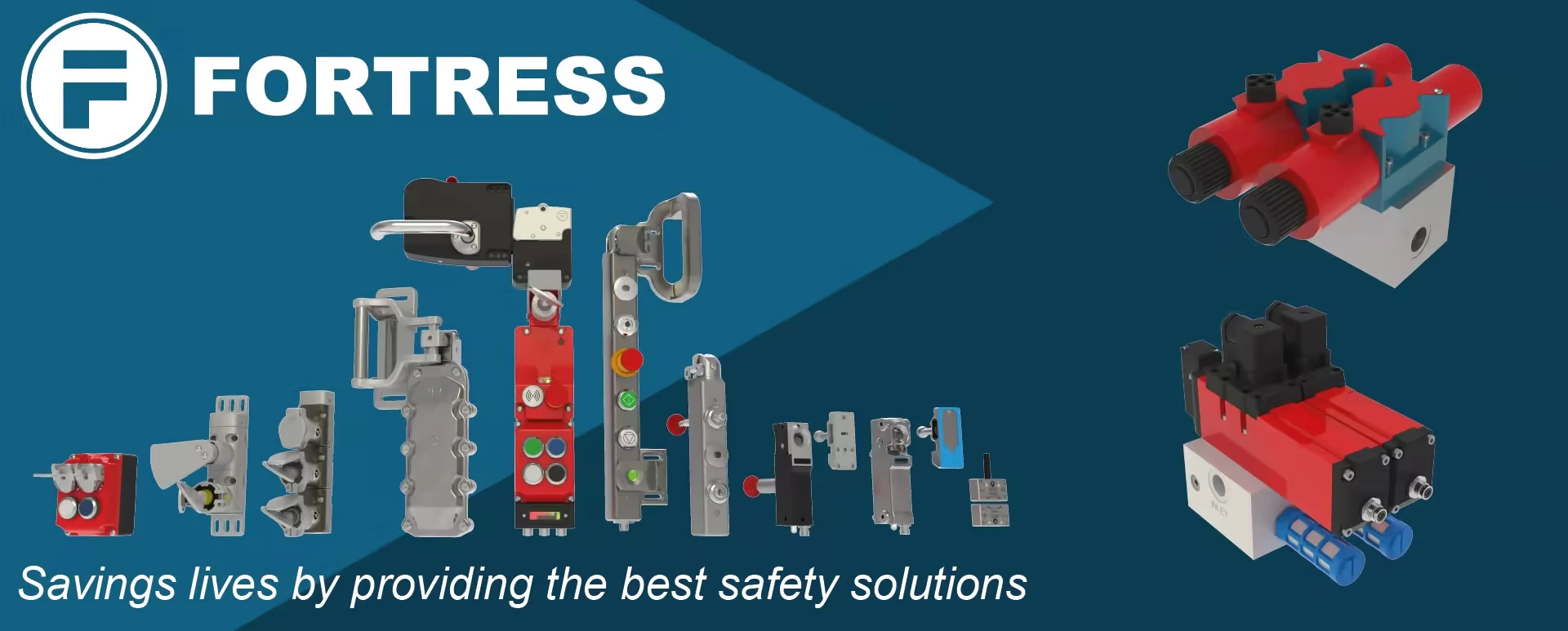
World class interlocking, with Fortress.
A guard is only as good as the interlock behind it. In partnership with Fortress, a world renowned safety solutions manufacturer, we bring you top of class interlocks: easy to install, customisable and built to withstand the harshest environments.
Engineered to standard. Proven before handover.
Engineered to standard
Guard and interlock selection follows ISO 12100 and ISO 13849 — not a generic catalogue pick.
One program
Risk assessment, design, installation and validation under one team, not separate vendors.
Tested, not assumed
Every interlock is functionally tested before the machine goes back into service.
Find out which machines on your floor actually need this.
A short walkthrough tells you which guards are interlocked, which aren’t, and what it will take to close the gap.